

- Complete Firearms
- Gun Parts
- 1911 / 2011 Pistols Gun Parts
- Slides 1911 / 2011
- Barrels 1911 / 2011
- Magwells 1911 / 2011
- Thumb Safeties 1911 / 2011
- Beavertail / Grip Safeties 1911 / 2011
- Extractors 1911 / 2011
- Ejectors 1911 / 2011
- Firing Pins / Firing Pin Stops 1911 / 2011
- Springs 1911 / 2011
- Reverse / Spring Plugs 1911 / 2011
- Guide Rods 1911 / 2011
- Slide Stops 1911 / 2011
- Pin Kits 1911 / 2011
- Trigger Group 1911 / 2011
- Main Spring Housings 1911 / 2011
- Mag Catch / Mag Release Buttons 1911 / 2011
- Thumb Rest / Slide Rackers 1911 / 2011
- Compensator 1911 / 2011
- Grips, Grip Parts 1911 / 2011
- Frame Kits 1911 / 2011
- Bushings 1911 / 2011
- Plunger Tube 1911 / 2011
- Links and Link Sets 1911 / 2011
- Pistols, Other Gun Parts
- Sights...
- Rifle Parts
- PCC Parts/Accessories
- Shotgun
- 3 Gun Parts/Accesories
- Revolver Parts/Accesories
- 1911 / 2011 Pistols Gun Parts
- Magazine and Magazine Parts
- Complete Magazines
- 1911 Complete Magazines
- 2011 Complete Magazines
- Glock Complete Magazines
- AR15 Complete Magazines
- Ruger Complete Magazines
- PARA Complete Magazines
- CZ Complete Magazines
- Caspian / Tanfoglio
- Canik Complete Magazines
- BUL Complete Magazines
- Sig Sauer Complete Magazines
- Beretta Complete Magazines
- Other Complete Magazines
- Magazine Tubes
- Magazine Base pads
- Magazine Springs
- Magazine Followers / Spacers
- Magazine Spring & Follower Kits
- Complete Magazines
- Holsters, Belts, Mag Pouches
- Range Supplies
- Optics / Mounts
- Ammunition, Accessories, Misc
- Browse by Manufacturer
Gun Parts
Magazine and Magazine Parts
Holsters, Belts, Mag Pouches
Range Supplies
Optics / Mounts
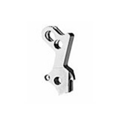
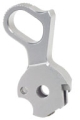
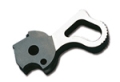
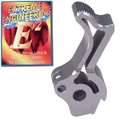
Hammers 1911 / 2011


For Information: 1-502-570-4112 | Fax: 1-502-570-4102 | Email Questions: [email protected]
Hours: 9:00am - 4:30pm Eastern Time Monday - Friday
Need help placing your order or have a question about an order you placed?
You can call us toll free at 1-800-387-4045

@Copyright 2022 Shooters connection.ALL RIGHTS RESERVED. Policies
